The Self-Watering Death Trap | Why Your Plants Are Drowning
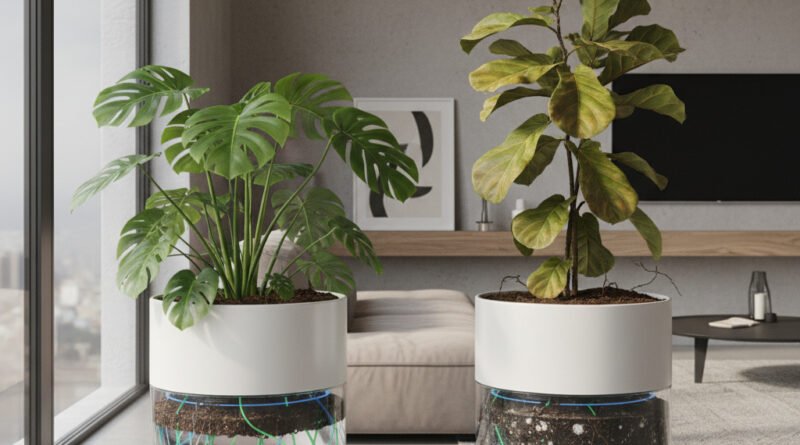
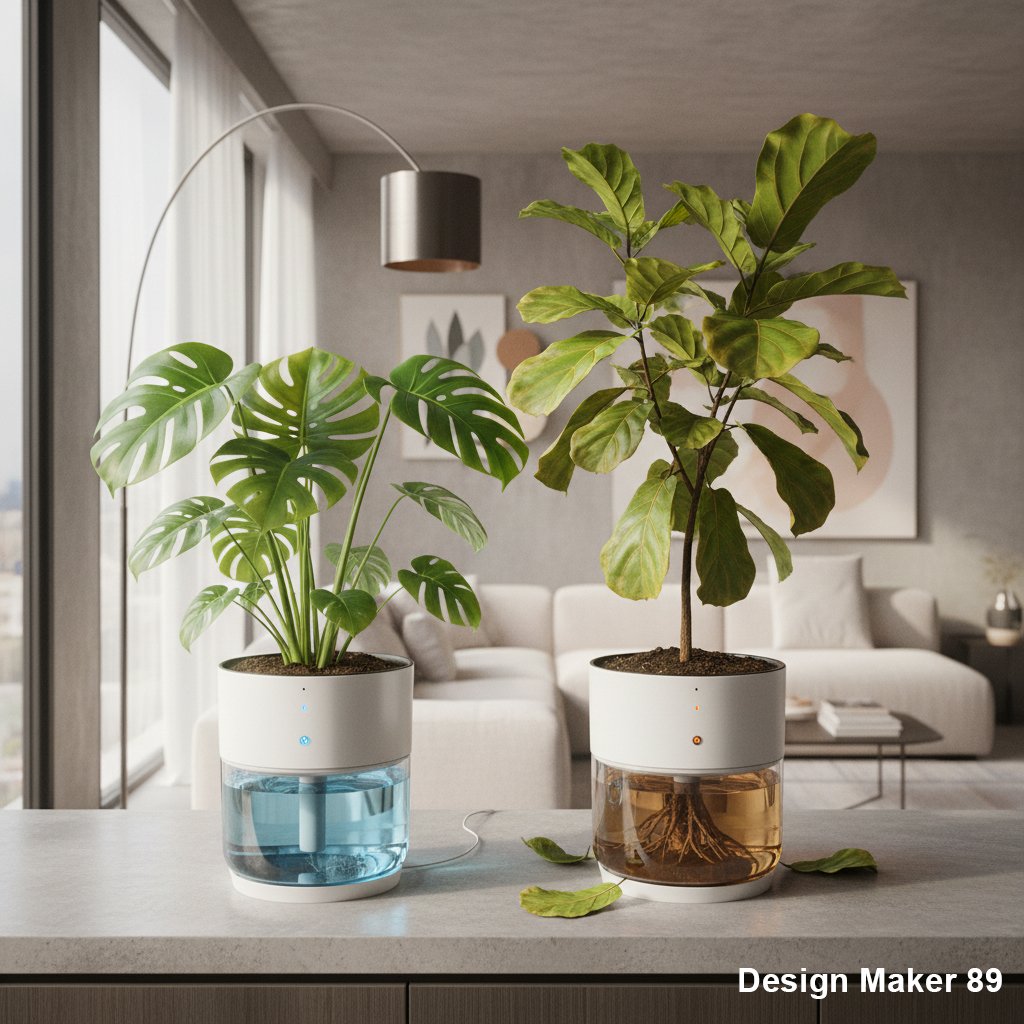
In 2026, the market is full of sleek, “smart” containers that promise you’ll never have to worry about watering again. These Automatic Indoor Plant Containers use a reservoir system to “wick” water up into the soil. It sounds like the perfect solution for busy people. However, for many plant species, this constant moisture is a death sentence. If you don’t understand the “Dry-Wet Cycle” that plants need to breathe, your expensive pot will become a stagnant swamp. Mastering Automatic Indoor Plant Containers is about knowing which plants belong in them—and which will rot in days.
The “One-Size-Fits-All” Irrigation Lie
The biggest mistake in using Automatic Indoor Plant Containers is believing every plant likes wet feet. Plants like Cacti, Succulents, and even the popular Snake Plant (Sansevieria) are designed to store water in their leaves and roots.
I recently visited a trendy apartment where the owner had put three large Sansevierias into self-watering pots. Within a month, the base of the plants felt like wet sponge. The Lesson: Never use these containers for desert-native plants. Their roots need to dry out completely between waterings to absorb oxygen. Constant moisture leads to “Root Rot,” a fungal infection that is almost impossible to reverse.
The Stagnant Water and Mosquito Hazard
Many Automatic Indoor Plant Containers have a hidden reservoir at the bottom. If the water sits there for too long without being used by the plant, it becomes a breeding ground for bacteria and fungus gnats.
I’ve seen “self-watering” systems that smelled like a dirty pond because the water hadn’t been changed in weeks. The Fix: You cannot just “fill it and forget it.” Every two weeks, you must flush the reservoir with fresh water to prevent it from becoming toxic. True Indoor Plant Care involves keeping the water clean, not just keeping the soil wet.
Why “Soil Wicking” Often Fails
The science behind Automatic Indoor Plant Containers relies on “Capillary Action”—the ability of soil to pull water upward. However, if you use standard, heavy potting soil, the water doesn’t move correctly.
I’ve tested setups where the bottom of the pot was a muddy mess while the top 5cm of soil was bone dry. The Advice: You must use a specialized “soilless mix” or a medium with a high amount of perlite or pumice. This ensures that the water moves evenly and the roots still have pockets of air. Without the right “wicking medium,” your automated pot is just a bucket of mud.
The “Holiday” Watering Fantasy
People buy Automatic Indoor Plant Containers specifically so they can go on vacation for two weeks. But if your plant is a fast-drinker or if the weather is particularly hot, the reservoir can run dry in just three days.
I’ve seen many “vacation tragedies” where the owner returned to a crispy, dead plant because they overestimated the reservoir’s capacity. The Pro Tip: Before you leave for a trip, test your Automatic Indoor Plant Containers for at least one week. See exactly how long the water lasts. If it runs out in four days, you still need a neighbor to come by and refill it.
The Mineral Salt Buildup
Because water is always moving upward from the bottom of Automatic Indoor Plant Containers, the minerals and salts from your tap water (and fertilizers) get trapped at the surface of the soil.
Over time, this creates a white, crusty layer that can burn the stems of your plants. The Strategy: Once a month, you must water your plant “from the top” until water runs out of the drainage holes. This “leaches” the salts out of the soil and keeps the chemistry balanced. Indoor Plant Care is about cleaning the soil as much as it is about feeding it.
Why Trust Design Maker 89?
At Design Maker 89, we don’t believe in “set and forget” gardening. Our botanical experts have spent years testing the latest Automatic Indoor Plant Containers in real-world home environments. We understand that technology should assist nature, not try to replace its fundamental cycles. Our mission is to provide you with the honest, scientific truth about plant care so your indoor jungle stays lush, healthy, and rot-free in 2026.
Read more about
The Air Plant Lie | Why Your Tillandsia Is Dying
The Privacy Tree Trap | Why Your Green Wall Is Dying
The Runway Effect | Why Your Outdoor Lighting Fails to Impress
The Vertical Garden Myth | Why Your Green Wall Fails in One Month
Why Your Balcony Edible Garden Fails | Real Success Tips for 2026
Luxury Outdoor Kitchen Design | Expert Tips for the Ultimate Backyard 2026
Air Purifying Plants for Bedrooms | 10 Best Species for Better Sleep
Vertical Gardening Solutions for Homes | 10 Creative Green Ideas