The Zero-VOC Myth | Is Your “Healthy” Paint Actually Toxic?
In 2026, the demand for Eco-Friendly Interior Paint Solutions has skyrocketed. We all want to renovate our homes without the headache-inducing smell of traditional paint. Brands now proudly display “Zero-VOC” (Volatile Organic Compounds) labels, promising that you can sleep in a freshly painted room the same night. But here is the “invisible” truth: while the smell is gone, other harmful chemicals often remain. If you want a truly safe home, you must look past the marketing and understand what is actually inside the can.
The “Colorant” Chemical Loophole
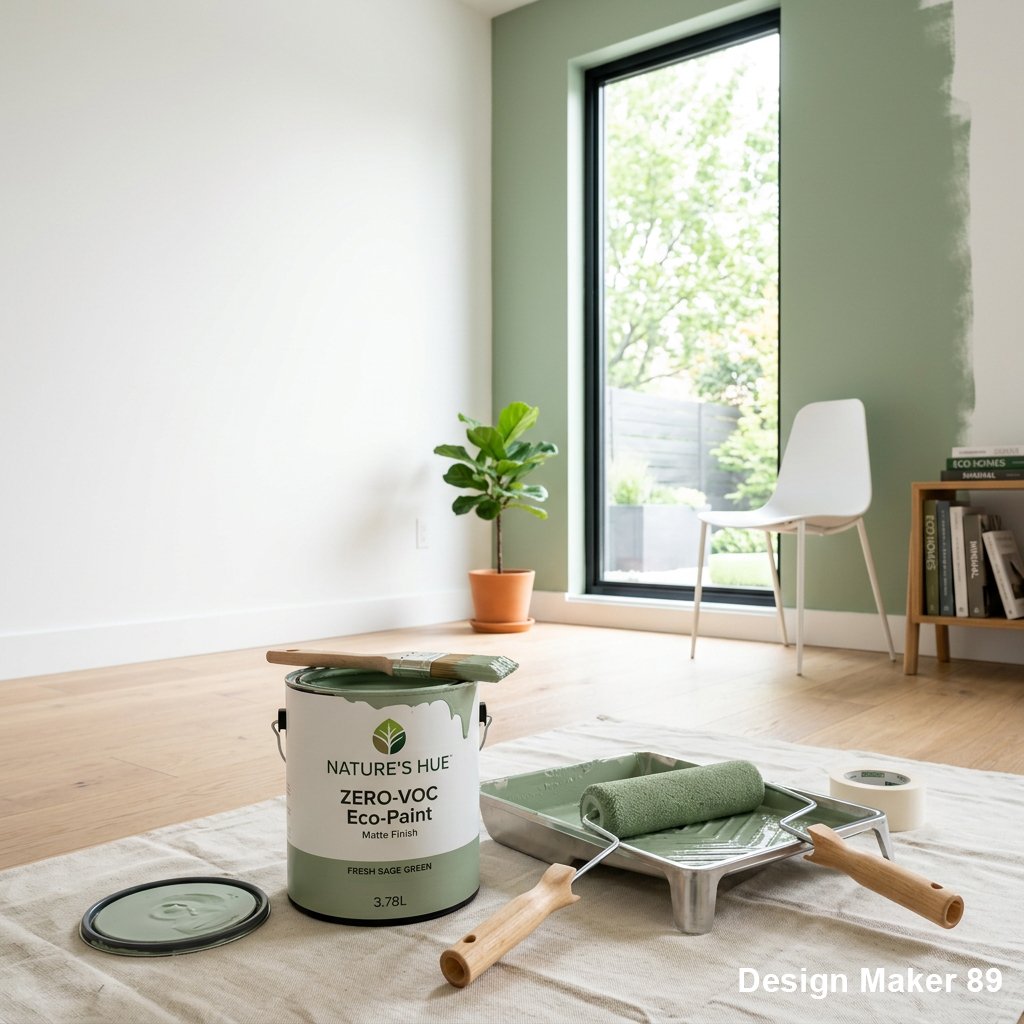
The most common deception in Eco-Friendly Interior Paint Solutions happens at the mixing station. The base paint in the can might be Zero-VOC, but the moment the store adds the color tints to make it “Deep Ocean Blue” or “Sunset Orange,” they are adding VOCs back into the mix.
I recently saw a homeowner who chose a dark, vibrant green for her nursery. She bought “Zero-VOC” base paint, but because the color was so dark, the machine added a massive amount of traditional, toxic tint. The Lesson: Always ask for “Zero-VOC Colorants.” If the store uses standard tints in a clean base, your paint is no longer eco-friendly. It’s a hybrid mess that will still off-gas for weeks.
The “Odorless” Does Not Mean “Safe” Fallacy
VOCs are the chemicals that evaporate at room temperature and cause that “new paint smell.” By removing them, companies create Eco-Friendly Interior Paint Solutions that don’t smell. However, they often replace VOCs with semi-volatile organic compounds (SVOCs) or antimicrobials like “Methylisothiazolinone.”
I’ve seen people develop skin rashes or respiratory issues in rooms painted with “safe” paint because they didn’t realize these other chemicals were present. The Fix: Look for third-party certifications like “Greenguard Gold” or “EcoLogo.” These organizations test for thousands of chemicals, not just the ones that have a smell. Truly Eco-Friendly Interior Paint Solutions should be transparent about their entire chemical makeup.
Why “Natural” Paints Are Different
Some Eco-Friendly Interior Paint Solutions are made from clay, milk protein (casein), or plant oils. These are the gold standard for health. But they are harder to apply and don’t last as long as synthetic acrylics.
In my experience, many DIYers try “Milk Paint” and get frustrated because it doesn’t look like the plastic-smooth finish they see on Instagram. The Advice: If you have severe allergies or a newborn, natural paints are worth the extra effort. But be prepared for a “matte,” earthy look. If you want a high-gloss, scrubbable kitchen wall, you will likely need a high-quality synthetic Zero-VOC paint instead.
The Curing Time Off-Gassing Secret
Just because you can’t smell it doesn’t mean it’s finished reacting. Most Eco-Friendly Interior Paint Solutions take up to 30 days to fully “cure.” During this time, the paint is still releasing trace amounts of chemicals as it hardens.
I’ve seen parents move their children back into a bedroom 4 hours after painting. The Pro Tip: Even with the best Budget Makeovers using Zero-VOC paint, keep the windows open and the fans running for at least 72 hours. Air circulation is the only way to ensure those invisible chemicals leave your living space.
Why “Antimicrobial” Claims Can Be Tricky
In 2026, many paints claim to be “Mold-Resistant” or “Antimicrobial.” This sounds great for bathrooms. But to achieve this, companies add “Biocides” to the paint.
While these biocides stop mold, they are still pesticides. For Eco-Friendly Interior Paint Solutions, it is often better to improve your bathroom’s ventilation (exhaust fans) rather than relying on a chemical coating to fight mold. The Strategy: A healthy home is built on good airflow, not just “smart” chemical coatings. Use a standard Zero-VOC paint and invest in a better bathroom fan for long-term health.
Why Trust Design Maker 89?
At Design Maker 89, we care about the “Invisible Design” of your home—the air you breathe and the chemicals you touch. Our renovation experts have backgrounds in chemistry and environmental health. We don’t just care about the color on the wall; we care about the health of the people living behind it. Our mission is to help you achieve beautiful Budget Makeovers that are genuinely safe for your family in 2026.
Read more about
The Upcycling Myth | Is Your Trash Decor Actually Saving Money?
The Peel-and-Stick Scam | Does Removable Wallpaper Save Your Walls?
The DIY Disaster | 5 Projects That Will Actually Cost You More
The Homemade Cleaner Hoax | Why Your DIY Recipes Aren’t Working
DIY Hanging Rope Shelves | A Creative Handmade Decor Project
Creative Handmade Decor Projects | 10 Unique Ideas for a Personal Touch