The Self-Cleaning Oven Trap | Is It Killing Your Appliance?
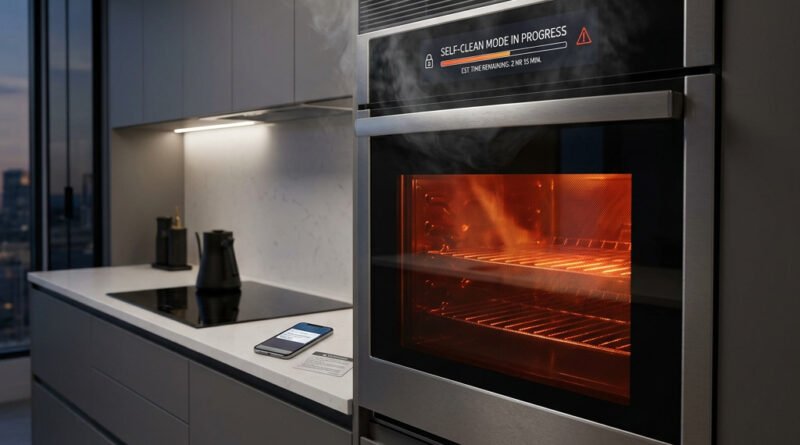
In 2026, convenience is the ultimate selling point for Smart Home Appliance Automation. Every high-end oven features a “Self-Clean” button, promising to incinerate grease and grime at temperatures over 480°C (900°F). It sounds like a dream for anyone who hates scrubbing. However, appliance repair technicians call this feature the “Job Security Button.” The extreme heat required for this process often damages the very sensors and circuit boards that make your oven “smart.” If you want your kitchen tech to last, you must understand the mechanical stress of self-cleaning.
The “Electronic Meltdown” Risk
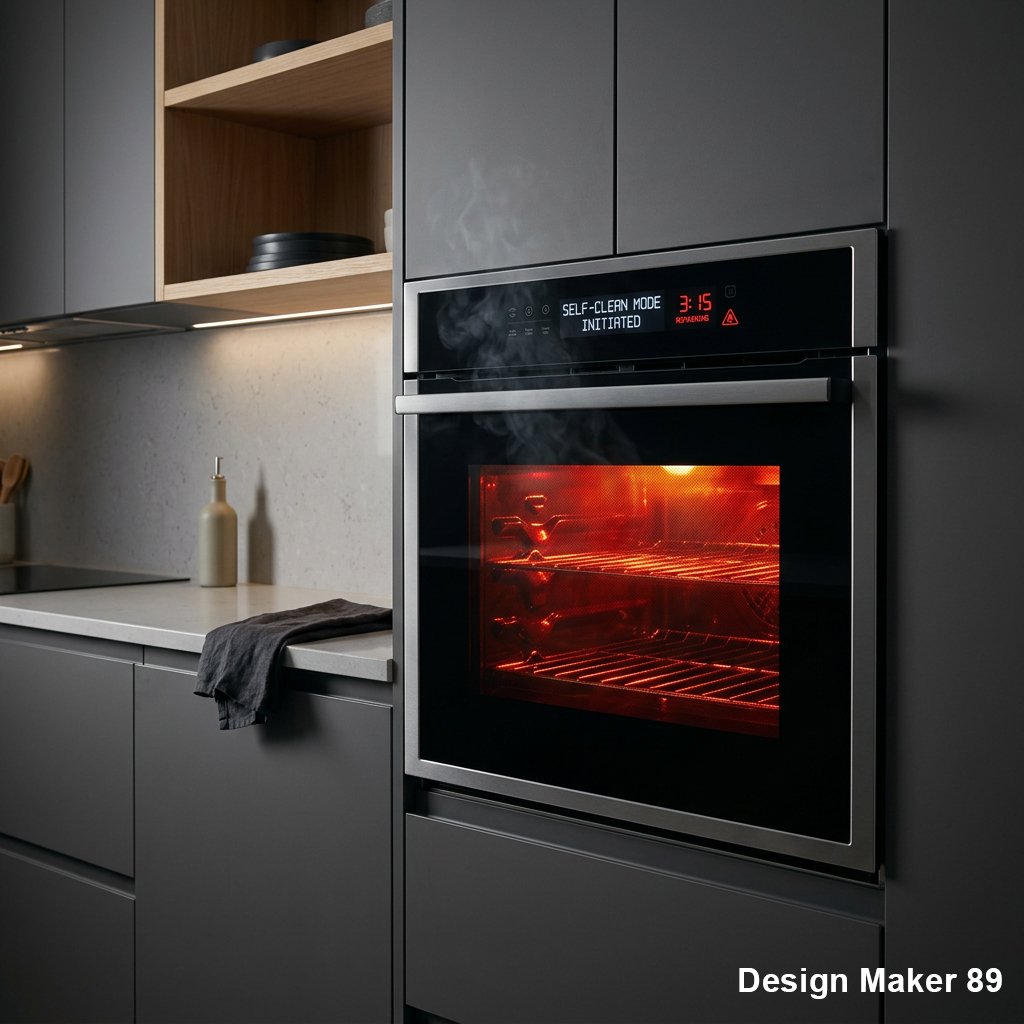
Modern Smart Home Appliance Automation relies on delicate microchips and plastic-coated wiring. While the oven cavity is insulated, the control panel sits right above the door—where the most intense heat escapes.
I recently consulted for a homeowner whose $2,500 smart oven “died” immediately after a self-clean cycle. The high heat had literally melted the solder on the main control board. The Lesson: Manufacturers design ovens to cook food at 200°C, not to run at 500°C for four hours. Using this feature is like red-lining your car’s engine while it’s parked in the garage; something is bound to break.
The “Thermal Fuse” Nightmare
To prevent house fires, Smart Home Appliance Automation systems include a “Thermal Fuse” or “High-Limit Thermostat.” If the oven gets too hot during a self-clean cycle, this fuse trips and cuts all power to the unit.
The problem? In many 2026 models, this fuse is hidden deep inside the back of the oven. You cannot just “reset” it. The Advice: If your oven doesn’t turn on after a cleaning cycle, you likely have a blown thermal fuse. Fixing this often requires pulling the oven out of the wall and paying for a $150 service call for a $10 part. Is a clean oven worth the two-day wait for a repairman?
Why “Steam Clean” Is the Smarter Choice
Many newer Smart Home Appliance Automation ovens now offer a “Steam Clean” option alongside the traditional high-heat version. This is a much safer alternative for your appliance’s health.
Steam cleaning works at much lower temperatures (around 120°C) using a small amount of water. It doesn’t incinerate the grease, but it loosens it enough to wipe away easily. The Fix: If you care about the longevity of your electronics, ignore the “Pyrolytic” (high-heat) setting and use “Steam Clean” once a week. It requires five minutes of manual wiping, but it saves your circuit board from a slow, heat-induced death.
The Hidden Danger of Toxic Fumes
When you use the high-heat cycle in Smart Home Appliance Automation, you aren’t just cleaning; you are burning. Any leftover bits of fat or sugar turn into carbon monoxide and acrid smoke.
I’ve seen reports of pet birds dying in kitchens during self-clean cycles because of the fumes released from non-stick coatings inside the oven. The Warning: If you insist on using the high-heat self-clean, you must leave the house, take your pets with you, and keep all windows open. This “automation” is not a “set and forget” feature; it is a chemical process happening in your kitchen.
Why “Old-Fashioned” Cleaning Is Better for Tech
In the era of Smart Home & Tech, we often forget that some things are better done manually. Chemical oven cleaners are harsh, but they don’t subject your oven’s “brain” to 500-degree temperatures.
In my experience, the best way to maintain your Home Automation kitchen is to spot-clean spills the moment they happen. The Strategy: Use a paste of baking soda and vinegar for heavy grease. It takes a bit of “elbow grease,” but it keeps your expensive smart sensors safe and your warranty intact. A truly smart home is one where the appliances actually work when you need them to.
Why Trust Design Maker 89?
At Design Maker 89, we don’t just love the “New.” We love the “Durable.” Our appliance experts bridge the gap between high-tech features and old-school reliability. We test Smart Home Appliance Automation in real-world conditions to see which features add value and which ones add risk. Our mission is to ensure your investment in technology pays off with years of trouble-free service, not a pile of melted electronics.
Read more about
The Smart Fridge Trap | Why Your Kitchen Doesn’t Need Wi-Fi
The Smart Thermostat Hoax | Will It Actually Lower Your Bills?
Smart Home Automation Fails | Real Lessons from 2025 Projects
The Solar Power Scam? | What Companies Won’t Tell You in 2026
The Smart Home Privacy Trap | Why Cheap Gadgets Are High Risk