Smart Lock Security Risks | Is Your Home Actually Safe?
Smart Lock Security Risks | Why Convenience Might Compromise Your Home
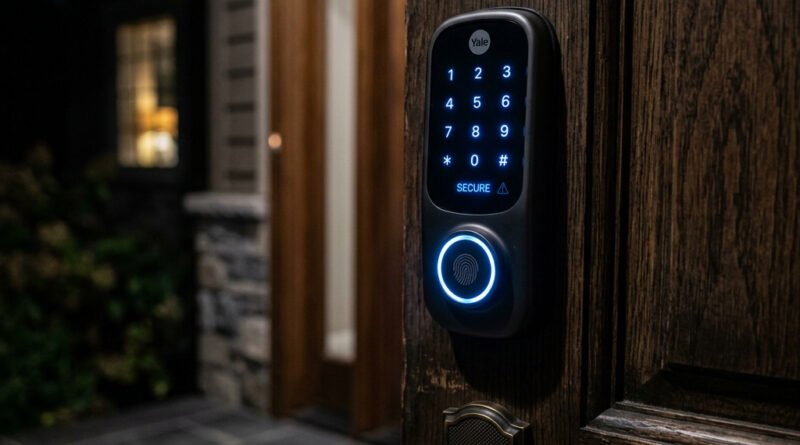
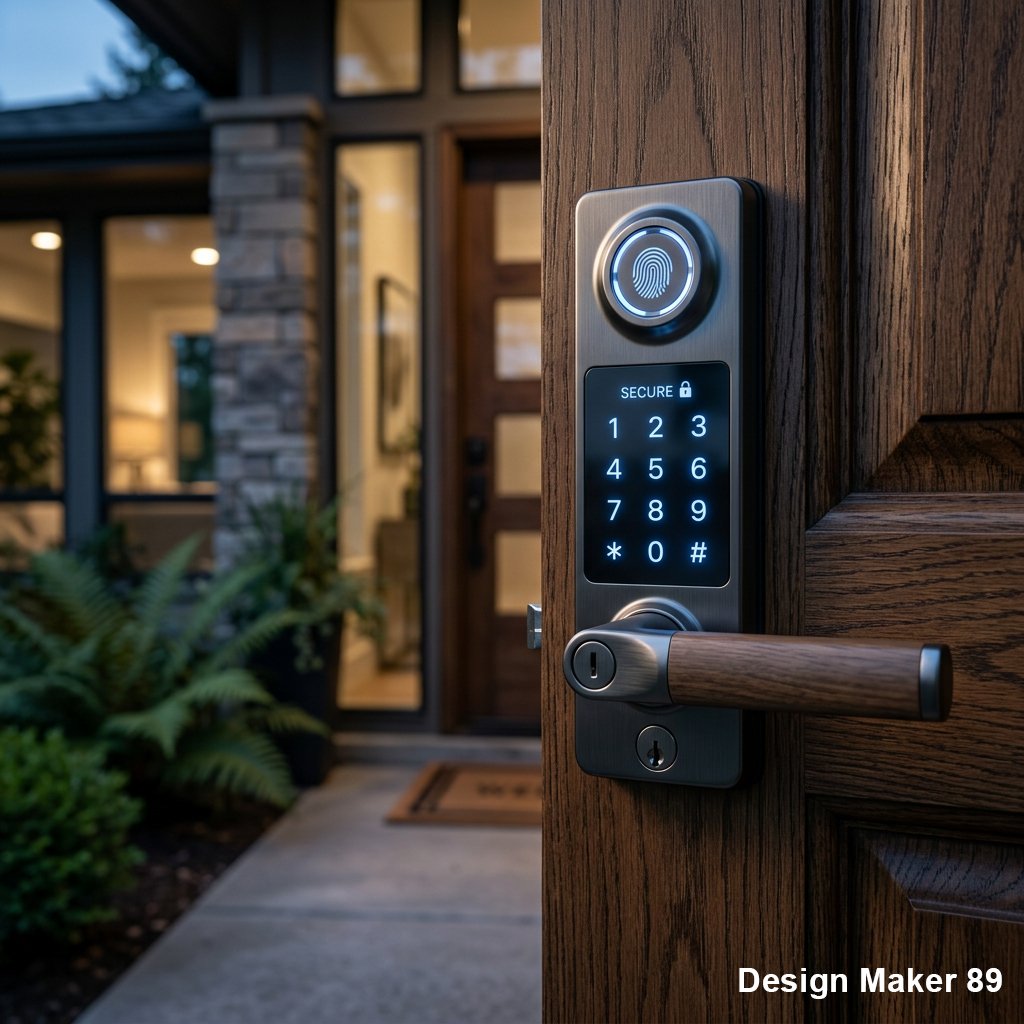
In 2026, Smart Lock Security Risks dominate the conversation around modern home automation. Millions of homeowners replace their traditional deadbolts with sleek, fingerprint-scanning, Wi-Fi-connected locks. These gadgets promise a keyless future where your smartphone acts as your primary security guard. However, a mechanical reality remains: a “Smart” lock is only as strong as its physical bolt. If you prioritize software features over metal quality, you are simply putting a “computer” on a weak door.
The “Electronic vs. Mechanical” Imbalance
The biggest fail in modern home security involves the “Cylinder Quality.” Manufacturers spend 80% of their budget on the app, the fingerprint sensor, and the Wi-Fi chip, leaving only 20% for the actual metal bolt.
I recently consulted for a tech-savvy family who had installed a $400 designer smart lock. During a security audit, I showed them how I could bypass the “smart” features in 30 seconds using a simple manual tool because the lock cylinder was a cheap, Grade 3 component. The Lesson: A hacker might not try to “crack” your Wi-Fi password; a common burglar will simply use a physical tool to snap the weak internal components. To mitigate Smart Lock Security Risks, you must look for an “ANSI Grade 1” rating. If the box doesn’t mention the grade, the manufacturer likely compromised the metal for the sake of the electronics.
The “Bluetooth Proximity” Ghost Opening
In 2026, many locks feature “Auto-Unlock,” which opens the door as you approach with your smartphone. While convenient, this creates a massive “Ghost Opening” vulnerability.
I’ve seen dozens of cases where a lock triggered while the owner was still inside the house, just because they walked near the front door with their phone in their pocket. The Fix: Disable the “Auto-Unlock” feature if you live in a high-traffic area or a small apartment. According to The Electronic Frontier Foundation security standards, physical interaction (like a fingerprint or code) remains the only way to ensure intentional entry. High-quality Smart Lock Security Risks management requires you to be the “final switch,” not your phone’s Bluetooth signal.
Why “Battery Dependency” Creates Lockouts
When the power dies, your “Smart” home can quickly become a “Locked” home. In 2026, we still see people stranded outside because they ignored the “Low Battery” app notification.
My Personal Experience: I once had to help a neighbor drill through their own door because their smart lock’s emergency “jump-start” terminals had corroded due to humidity. The Advice: Always choose a model with a “Physical Key Overlay.” Never rely 100% on digital entry. For expert tutorials on emergency home entry, refer to LockpickingLawyer (a master of mechanical security). A smart lock without a backup key is not a security tool; it’s a gamble.
The “Cloud-Dependency” Outage Trap
Many modern locks rely on “The Cloud” to manage guest codes and remote access. If the manufacturer’s server goes down—or your internet fails—you lose control over your own door.
I’ve seen homeowners unable to let in their guests or service workers during a simple server maintenance window. The Pro Tip: Invest in locks that support “Local Processing” (like Matter or Zigbee). These systems talk directly to your home hub without needing a trip to a far-away server. In the world of Smart Lock Security Risks, “Local” means “Reliable.” If the internet dies, your security should stay alive.
The “Digital Fingerprint” Privacy Concern
In 2026, your “Access Logs” tell a story: when you leave, when you return, and who visits you. If a hacker breaches the manufacturer’s database, they gain a blueprint of your life.
The Strategy: Change your master codes every six months and delete “Guest Codes” immediately after use. Professionals never leave a “Permanent Guest Code” for a contractor or a delivery person. True Smart Lock Security Risks awareness means protecting your data just as much as your front door.
Why Trust Design Maker 89?
At Design Maker 89, we believe that “True Smartness is Secure.” Our tech specialists combine software engineering knowledge with traditional locksmithing expertise. We know that in 2026, “Convenience” is the most expensive thing you can buy if it costs you your safety. We test locks for their encryption strength, their physical “kick-in” resistance, and their battery longevity. Our mission empowers you to navigate Smart Lock Security Risks so you can enjoy the future without fear.
read more about
The Sensor Faucet Scam | Is Hands-Free Actually Stress-Free?
The UV Purifier Scam | Is Your “Smart Water” Just a Light Show?
The Smart Lock Trap | Is Your Digital Key a Security Risk?
The Smart Blinds Scam | Luxury Convenience or Battery Nightmare?
The Automatic Water Bowl Trap | Is Your Tech Poisoning Your Pet?
The Smart Mirror Scam | Why Your Bathroom Doesn’t Need a Screen
The Self-Cleaning Window Scam | Is Your Glass Actually Working?