Backyard Landscaping | Why Wildflower Mixes Fail Bees
Backyard Landscaping | The Pollinator Garden Myth: Why “Wildflower Mixes” Fail Bees
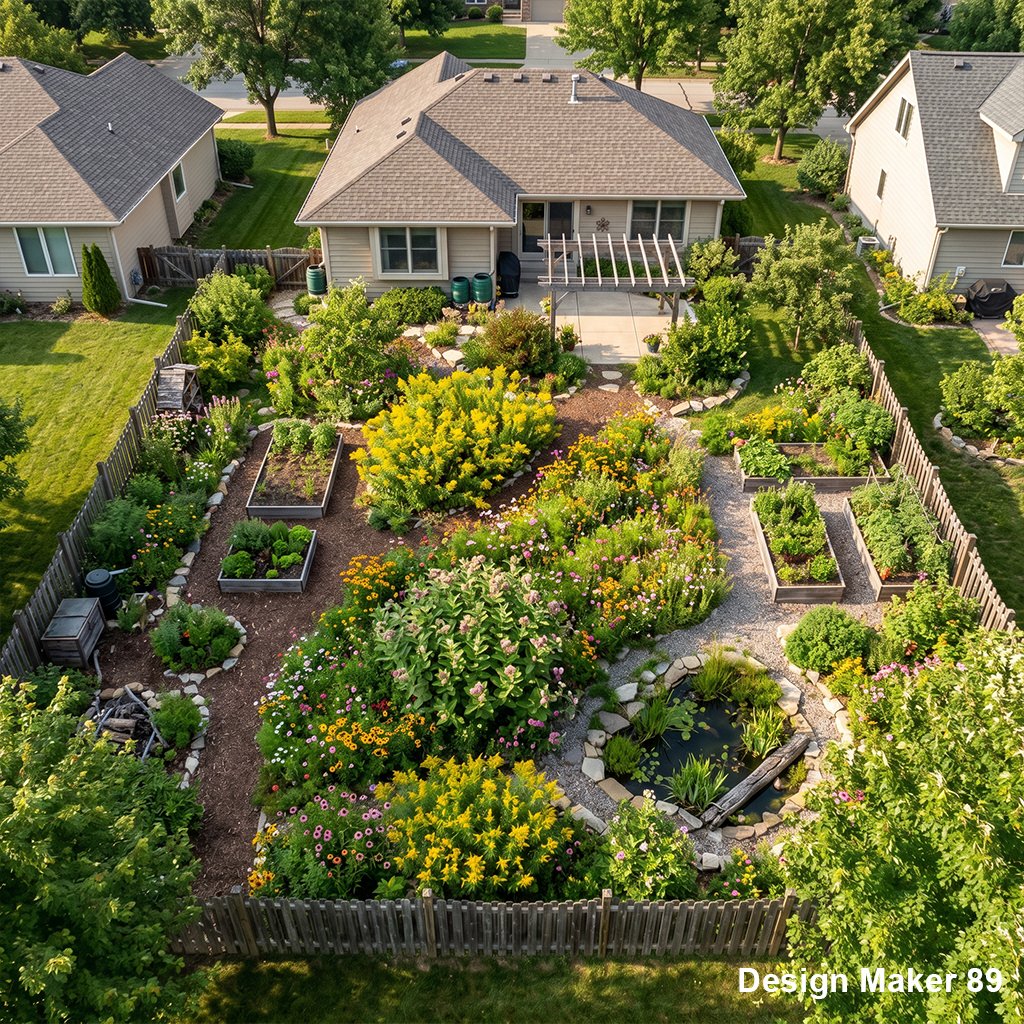
In 2026, Backyard Landscaping designs heavily focus on sustainability, with thousands of homeowners attempting to build “Pollinator Gardens.” The most popular shortcut involves buying cheap, colorful “Wildflower Seed Mixes” from local garden centers, scattering them across the dirt, and waiting for a bee paradise to emerge. While these commercial packets promise an effortless eco-sanctuary, the biological reality is alarming. Most generic seed mixes act as ecological trojan horses, introducing aggressive, non-native plants that offer zero nutritional value to your local bee population.
The “Exotic Invasives” Displacement Failure
The biggest mistake in modern wildlife gardening involves trusting “one-size-fits-all” seed packaging. Major brands manufacture these mixes to grow anywhere, meaning they include highly adaptable, aggressive species.
I recently evaluated a backyard meadow where the owner had sown a generic “Bee Mix.” Within one season, non-native Bachelor’s Buttons and Chinese Forget-Me-Nots completely choked out the local milkweed and goldenrod. The Lesson: Local bees evolved alongside specific native plants. According to studies from The All-Ireland Pollinator Plan, native bees frequently ignore flashy exotic flowers because the nectar is physically inaccessible or lacks the proper sugar concentration. For effective Backyard Landscaping, you must buy region-specific seeds, not generic national blends.
The “Double-Flower” Starvation Trap
In 2026, seed companies modify wildflower mixes to produce large, fluffy, “double-petaled” flowers because human buyers find them visually appealing.
I’ve seen dozens of gardens filled with dense, hybrid marigolds and roses where bumblebees were actively starving. The Fix: These extra rows of petals are actually mutated stamens. They block access to the flower’s center, making it impossible for a bee to reach the pollen or nectar pool. True Backyard Landscaping for wildlife requires “Single-Petal, Open-Face” flowers. If a bee cannot easily land and see the center of the bloom, the plant is functionally useless to the ecosystem.
Why “Urban Soil Contamination” Poisons Nectar
A critical environmental factor that homeowners overlook is the history of the ground where they scatter these wildflower seeds.
My Personal Experience: I once designed a community pollinator garden on a patch of land that previously held an old garage. The wildflowers grew beautifully, but a subsequent laboratory test revealed high levels of heavy metals in the plant tissue. Recent research confirms that wildflowers grown on un-remediated urban soil accumulate toxins like lead and arsenic right into their nectar. The Advice: Bees that drink this contaminated nectar suffer from impaired memory and learning, ruining their ability to find their way back to the hive. Before planting a massive Backyard Landscaping meadow on old urban plots, test your soil or use clean, raised beds to ensure you aren’t creating a toxic trap.
The “Annual vs. Perennial” Vanishing Act
Most cheap commercial mixes are 90% annuals. They explode with bright reds and yellows in the first year, creating a beautiful social media post, and then never return.
I’ve seen homeowners become deeply discouraged during year two when their vibrant meadow turned into a patch of ugly, invasive weeds. The Pro Tip: True native meadows take three to four years to establish because native perennials spend their first years growing deep, drought-resistant root systems underground. In the world of Backyard Landscaping, patience beats instant gratification. Don’t buy “instant” mixes; purchase individual packets of native perennial seeds specific to your postal code.
The “Mowing Management” Mistake
Homeowners think that a wildflower garden means “never mowing again.” In reality, leaving a meadow completely untouched allows aggressive woody brush and invasive grasses to take over.
The Strategy: To maintain a healthy pollinator ecosystem, you must cut the meadow down once a year in the late winter using a high-clearance mower. This mimics the natural grazing cycles of wild animals and clears out dead material so the seeds can receive sunlight in the spring. Successful Backyard Landscaping is never entirely passive; it is an intentional partnership with the natural cycles of your local climate.
Why Trust Design Maker 89?
At Design Maker 89, we look past the colorful marketing labels to examine the true science of nature. Our outdoor specialists test seed compositions, monitor local pollinator interactions, and evaluate soil chemistry. We know that in 2026, “Saving the Bees” requires more than just throwing random seeds on the ground. Our mission empowers you to build Backyard Landscaping features that provide genuine, clean, and sustainable nutrition for the local ecosystem.
read more about
Retaining Walls 101 | Why DIY Stone Walls Fail
Backyard Landscaping | The Artificial Grass Myth
The Smart Hydroponics Scam | Is Your “Free” Salad Costing You $50?
The Zero-Maintenance Lie | Why Gravel and Turf Might Be a Mistake
The Vertical Veggie Fail | Why Your Home-Grown Food Is Dying
The Fiddle-Leaf Fig Hoax | Why Your Luxury Plant Is Losing Leaves